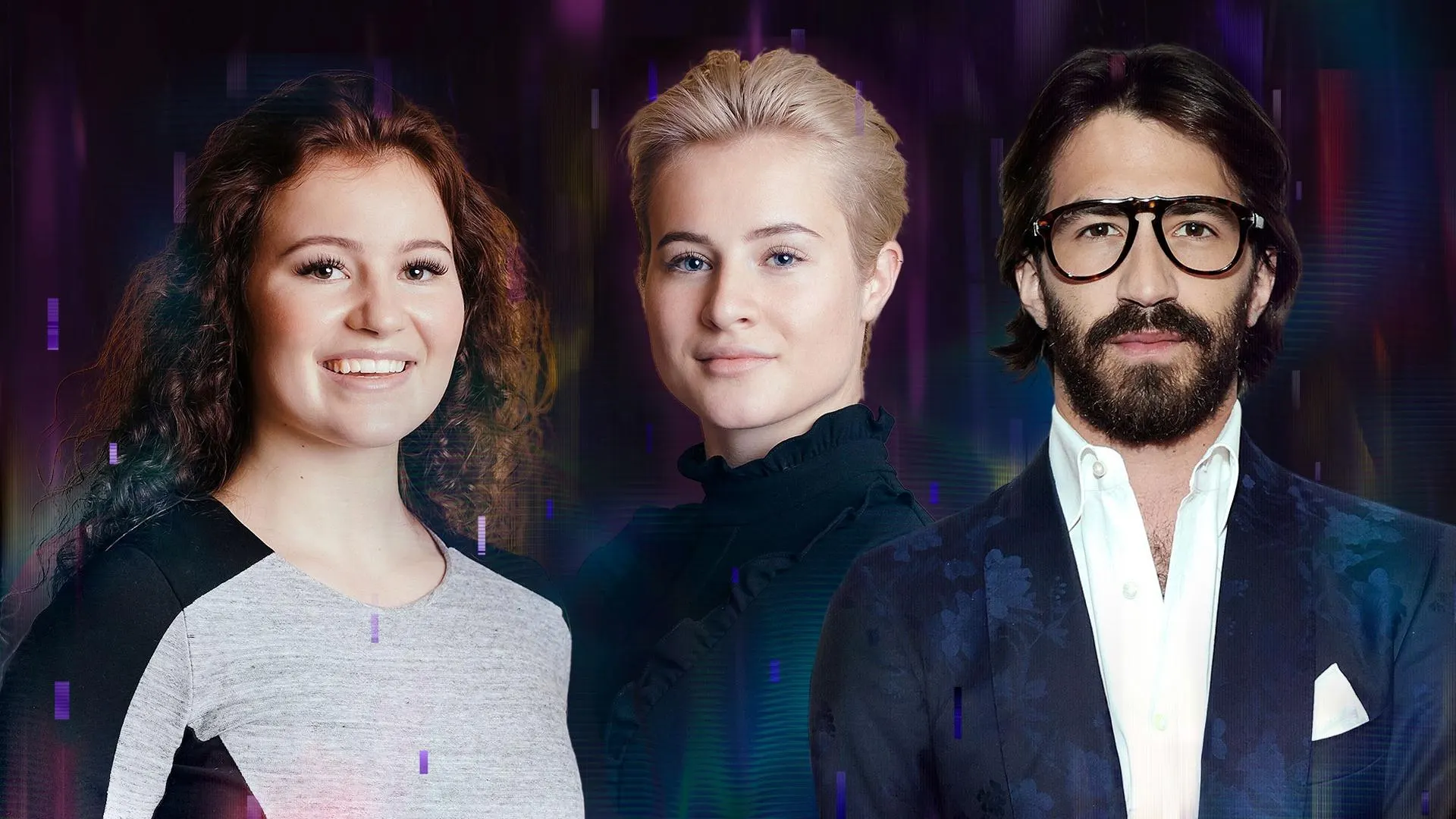
The youngest billionaires in the world represent a powerful shift in how wealth is created in the modern era. Unlike traditional tycoons who built fortunes over decades, today’s youngest billionaires have leveraged technology, innovation, startups, and inherited business empires to reach extraordinary financial milestones—often before turning 35.
From self-made tech founders to heirs of global business dynasties, these young billionaires symbolize the next generation of global wealth, influence, and leadership. Here’s a Forbes-style look at who they are, how they became billionaires so early, and what industries are fueling their rise.
1. Alexandr Wang
Among the most talked-about names is Alexandr Wang, who became one of the youngest self-made billionaires through his work in artificial intelligence. By building critical data infrastructure used by leading tech companies and governments, Wang’s rise highlights how AI has become one of the fastest wealth-creating industries in the world. His success underscores the growing value of data, automation, and machine learning in the global economy.
2. Kevin David Lehmann
Inheritance also plays a significant role in shaping the list of the world’s youngest billionaires. Kevin David Lehmann gained billionaire status through a substantial stake in a major European drugstore chain, demonstrating that traditional retail businesses continue to generate immense wealth when scaled globally. Similarly, Kim Jung-youn represents the power of digital entertainment, with fortunes tied to the booming global online gaming industry, where virtual economies and esports now rival traditional media businesses.
3. Luca Del Vecchio
Luxury and consumer brands also contribute to youthful billionaire fortunes. Luca Del Vecchio, an heir to the world’s largest eyewear company, showcases how legacy luxury businesses maintain long-term global dominance. In emerging markets, figures such as Firoz Mistry highlight how diversified conglomerates in countries like India continue to create multigenerational wealth with global reach.
What unites the world’s youngest billionaires is not just age, but influence. Whether self-made or inheritors, many of them shape investment trends, startup ecosystems, and future technologies. Their wealth is often closely tied to innovation-driven sectors such as artificial intelligence, gaming, digital platforms, and global consumer brands—industries that define modern economic growth.
In essence, the youngest billionaires in the world symbolize a generational shift in global wealth creation. Their stories reveal how innovation, scale, and early access to opportunity can compress what once took a lifetime into just a few years, redefining both success and influence in the modern world.