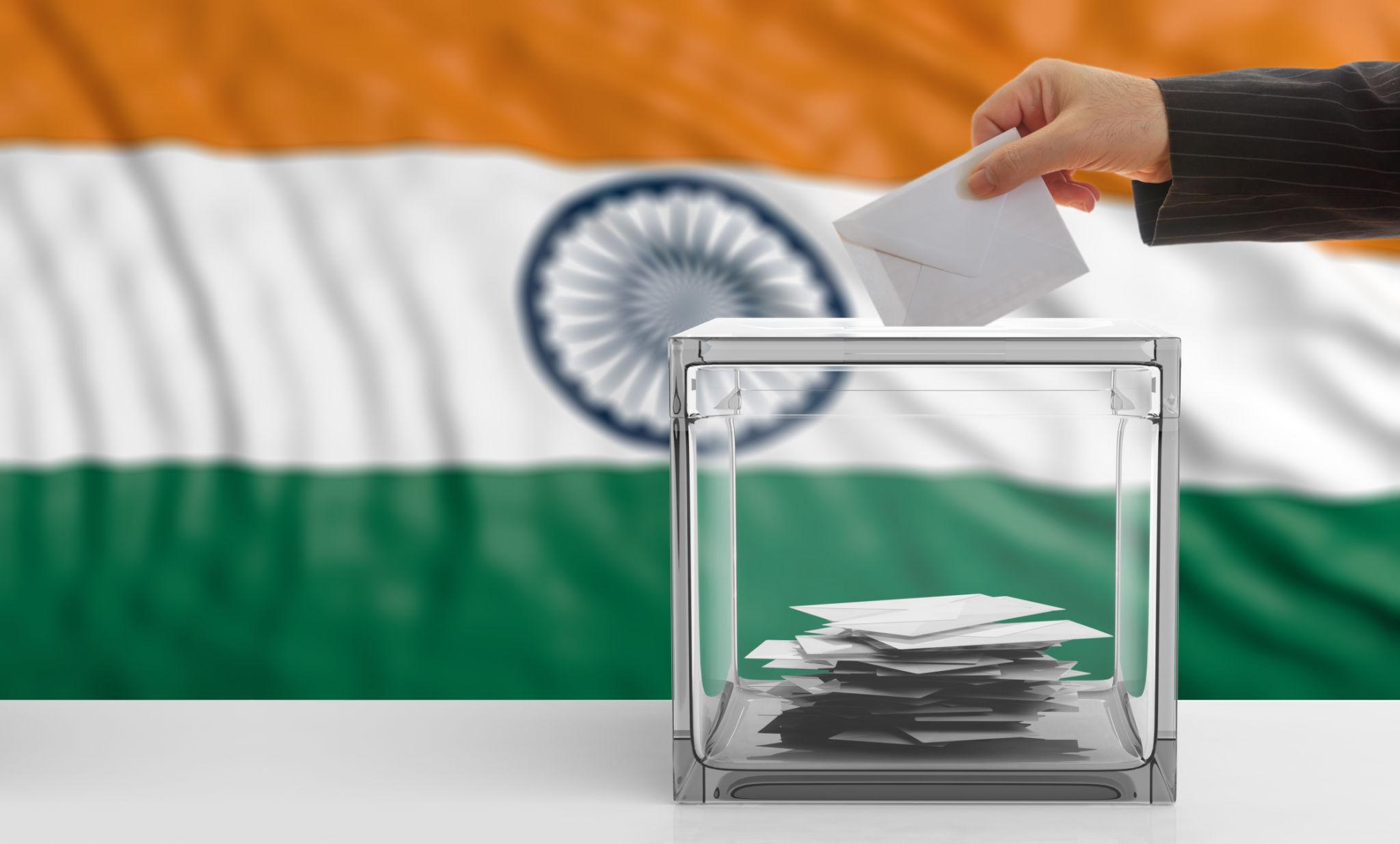
Election Funding in India: Democracy is built on the idea of equal political voice—but modern elections are expensive. Campaign rallies, digital outreach, advertising, data analytics, and grassroots mobilisation require significant funding.
The challenge is not whether money is needed. The real question is: when does necessary funding become excessive influence?
How Election Funding Shapes Indian Politics
In India, election funding flows through:
- Individual contributions
- Corporate donations
- Party funds
- Regulated spending monitored by the Election Commission of India
While candidates face spending caps, political parties and third-party campaign mechanisms create complex funding ecosystems that influence electoral competition.
Read more: Business Tycoons in Politics: Power, Influence, and Policy in India
The Power of Money in Elections
Financial strength affects democracy in visible and invisible ways:
1️⃣ Visibility Equals Viability
More funds mean stronger advertising, greater digital presence, and larger public rallies.
2️⃣ Media and Narrative Control
Campaigns with deeper pockets can shape public discourse more effectively.
3️⃣ Access to Strategy & Technology
Professional consultants, survey agencies, and targeted digital campaigns require heavy investment.
4️⃣ Unequal Competition
Smaller or emerging political groups often struggle to match the spending power of well-funded rivals.
Democracy at a Crossroads: Equality vs Influence
At its core, democracy promises one person, one vote. But when funding disparities widen, political equality may narrow.
Concerns:
- Disproportionate donor access to policymakers
- Policy priorities influenced by financial backers
- Reduced public trust in electoral fairness
Counter-Arguments:
- Funding is essential for competitive politics
- Private donations reduce dependence on state funding
- Economic stakeholders have legitimate interests in policy outcomes
The tension between participation and dominance defines the modern funding debate.
Transparency: The Foundation of Trust
Public trust depends not only on free elections but also on transparent financing. Stronger disclosure norms, donation caps, independent audits, and institutional oversight are often suggested reforms.
Transparency does not eliminate money from politics—but it ensures accountability.
The Future of Democratic Funding
India’s democracy is vibrant, diverse, and dynamic. As election campaigns become increasingly sophisticated and digital, funding will remain central to political competition.
The path forward lies in balance—ensuring that financial resources support democratic engagement without overpowering the public mandate.
Because in a true democracy, influence should be earned through ideas—not purchased through wealth.
Leave a Reply